

Can home energy storage systems be used in schools and hospitals?
Leave a message

In the contemporary era, the pursuit of sustainable and reliable energy solutions has become a global imperative. Home energy storage systems, initially designed for residential use, have emerged as a promising technology with the potential to revolutionize energy management in various sectors. Among these, schools and hospitals present unique opportunities and challenges for the application of home energy storage systems. As a home energy storage supplier, I am excited to explore the feasibility and benefits of integrating these systems into educational and healthcare institutions.
The Need for Energy Resilience in Schools and Hospitals
Schools and hospitals are critical infrastructure that require a continuous and reliable energy supply to function effectively. In schools, energy is essential for powering classrooms, laboratories, libraries, and administrative offices. It supports educational activities, including teaching, learning, and research. Any disruption in the energy supply can significantly impact the quality of education and the well - being of students and staff.
Similarly, hospitals rely heavily on electricity to operate life - saving medical equipment, maintain a suitable environment for patients, and ensure the smooth running of administrative and support services. Power outages can have dire consequences, potentially endangering the lives of patients. For instance, during a blackout, ventilators, dialysis machines, and other critical medical devices may stop functioning, and the refrigeration of vaccines and medications may be compromised.
Given these high - stakes requirements, there is a growing need for energy resilience in schools and hospitals. Energy storage systems can play a crucial role in addressing this need by providing backup power during outages and helping to manage energy consumption more efficiently.
How Home Energy Storage Systems Work
Home energy storage systems typically consist of batteries, an inverter, and a control system. The batteries store electrical energy, which can be sourced from the grid, solar panels, or other renewable energy sources. The inverter converts the direct current (DC) stored in the batteries into alternating current (AC), which is the type of electricity used in most buildings. The control system manages the charging and discharging of the batteries, ensuring optimal performance and safety.
When the grid is operational, the energy storage system can charge during off - peak hours when electricity prices are lower. This stored energy can then be used during peak hours to reduce the building's reliance on the grid and lower energy costs. In the event of a power outage, the system can automatically switch to backup mode, providing power to essential loads.
Advantages of Using Home Energy Storage Systems in Schools and Hospitals
1. Energy Cost Savings
Schools and hospitals often have large energy bills due to their high energy consumption. Home energy storage systems can help reduce these costs by allowing institutions to store energy when it is cheap and use it when prices are high. For example, they can charge the batteries during the night when electricity rates are typically lower and discharge them during the day when rates are higher. This load - shifting strategy can result in significant savings over time.
2. Energy Resilience
As mentioned earlier, power outages can have a severe impact on schools and hospitals. Home energy storage systems provide a reliable backup power source, ensuring that critical functions can continue during blackouts. In schools, this means that educational activities can resume quickly after a power interruption, minimizing disruptions to the learning process. In hospitals, it can mean the difference between life and death for patients relying on medical equipment.
3. Environmental Benefits
Many home energy storage systems can be paired with solar panels or other renewable energy sources. By storing excess renewable energy, these systems can help schools and hospitals increase their use of clean energy and reduce their carbon footprint. This aligns with the growing global trend towards sustainability and environmental responsibility.
4. Peak Demand Management
Schools and hospitals often experience peak energy demand during certain times of the day. High peak demand can lead to additional charges from the utility company. Home energy storage systems can help manage peak demand by supplying stored energy during these periods, reducing the overall peak load on the grid and avoiding costly peak - demand charges.
Challenges and Considerations
1. Initial Investment
The upfront cost of installing a home energy storage system can be significant. Schools and hospitals, especially those with limited budgets, may find it challenging to justify the initial investment. However, it is important to consider the long - term savings and benefits that these systems can provide, such as reduced energy costs and increased energy resilience.
2. System Sizing
Determining the appropriate size of the energy storage system is crucial. It needs to be large enough to meet the institution's energy needs during a power outage or peak demand period but not so large that it is overly expensive. Factors such as the size of the building, the type of equipment used, and the expected duration of power outages need to be taken into account when sizing the system.
3. Maintenance and Safety
Home energy storage systems require regular maintenance to ensure optimal performance and safety. Schools and hospitals need to have the necessary resources and expertise to maintain these systems. Additionally, safety is a major concern, especially when dealing with batteries. Proper installation, operation, and monitoring are essential to prevent potential hazards such as fires or explosions.
Our Product Offerings
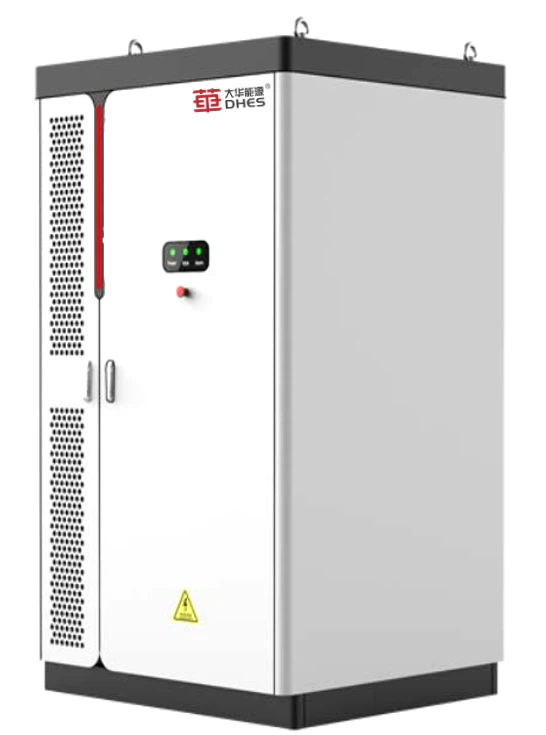
As a home energy storage supplier, we offer a range of products that are suitable for schools and hospitals. Our 260kwh Integrated Energy Storage Cabinet is a high - capacity solution that can provide significant backup power for large institutions. It is designed for easy installation and maintenance, and it comes with advanced safety features.
For smaller schools or hospitals, our 230kWh Integrated Energy Storage Cabinet offers a more compact and cost - effective option. It still provides a substantial amount of energy storage and can be customized to meet specific requirements.
We also offer 5kWh Household Stacked Energy Storage, which can be used in combination with other units to scale up the energy storage capacity as needed. This modular design allows for flexibility and easy expansion.
Conclusion
In conclusion, home energy storage systems have great potential for use in schools and hospitals. They offer numerous benefits, including energy cost savings, energy resilience, environmental benefits, and peak demand management. While there are challenges such as the initial investment, system sizing, and maintenance, these can be overcome with proper planning and support.
If you are a representative of a school or hospital interested in exploring the use of home energy storage systems, we encourage you to contact us for more information. Our team of experts can help you assess your energy needs, select the right product, and provide installation and maintenance services. We are committed to helping schools and hospitals achieve energy resilience and sustainability through our innovative energy storage solutions.

References
- DOE. (2023). Energy Storage for Critical Infrastructure. U.S. Department of Energy.
- IEA. (2022). Energy Storage Market Report. International Energy Agency.
- IEEE. (2021). Standards for Energy Storage Systems. Institute of Electrical and Electronics Engineers.


