

What are the energy management strategies for distributed energy storage?
Leave a message

Hey there! As a supplier of Distributed Energy Storage (DES), I've been knee - deep in the world of energy management strategies. Let's dig into what those strategies are and how they can make a real difference.
Peak Shaving
One of the most popular energy management strategies for DES is peak shaving. You see, electricity demand isn't constant throughout the day. There are times when everyone is using a ton of power, like in the evenings when people get home from work, turn on their lights, TVs, and start cooking. These are peak demand periods, and they can be a real headache for the grid.
Power companies often have to fire up expensive peaker plants to meet this extra demand. But with DES, we can store energy during off - peak hours when electricity is cheaper and more abundant. Then, when the peak demand hits, we can release that stored energy into the system. This not only helps the grid by reducing the strain during peak times but also saves money for consumers and power providers.
For example, a commercial building can use a Smart Containerized Energy Storage system. During the night, when the building's energy consumption is low, the system charges up. Then, during the hot summer afternoons when air - conditioning use skyrockets, the stored energy can be used to power parts of the building, reducing the need to draw as much electricity from the grid at peak rates.
Load Leveling
Load leveling is closely related to peak shaving. The goal here is to smooth out the overall electricity demand curve. Instead of having sharp peaks and valleys in energy consumption, we try to make it more of a flat line.
DES plays a crucial role in load leveling. By storing excess energy when demand is low and releasing it when demand is high, we can balance out the energy flow. This is beneficial for the entire power grid because it allows power plants to operate more efficiently. When power plants can run at a more consistent output, they can produce electricity more cost - effectively and with less wear and tear on their equipment.
Let's say a neighborhood has a 230kWh Integrated Energy Storage Cabinet. The cabinet can store energy from solar panels during the day when the sun is shining brightly and the neighborhood's energy consumption might be relatively low. Then, as the sun sets and people start using more electricity, the stored energy can be gradually released to keep the overall energy demand from spiking too much.
Backup Power
Another important strategy is providing backup power. In areas prone to power outages, whether it's due to extreme weather, equipment failures, or other reasons, DES can be a real lifesaver.
A 5kWh Household Stacked Energy Storage system can keep essential appliances running during a blackout. For instance, it can power a refrigerator to keep food from spoiling, a few lights so you can see around the house, and even a small medical device if needed.

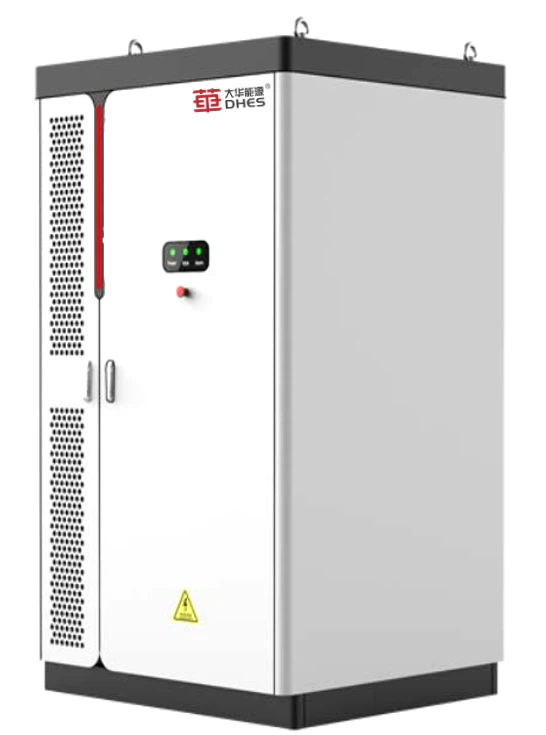
For businesses, backup power is even more critical. A data center, for example, can't afford to lose power for even a few seconds. With a well - designed DES system, it can continue operating smoothly during an outage, preventing data loss and costly downtime.
Frequency Regulation
The power grid needs to maintain a stable frequency. If the frequency deviates too much, it can cause all sorts of problems, from equipment damage to power outages. DES can be used for frequency regulation.
When the grid frequency drops, meaning there's not enough power being generated to meet the demand, DES systems can quickly inject stored energy into the grid. On the other hand, if the frequency is too high, indicating an excess of power, the DES can absorb the extra energy. This helps keep the grid stable and ensures that electricity is delivered safely and reliably.
Arbitrage
Energy arbitrage is all about taking advantage of price differences in the electricity market. Electricity prices can vary significantly depending on the time of day, season, and even weather conditions.
DES allows us to buy electricity when it's cheap and sell it when it's expensive. For example, during the middle of the night, electricity prices are often at their lowest. A DES operator can charge up their storage system at this time. Then, during the afternoon when prices are high, they can sell the stored energy back to the grid and make a profit.
Integration with Renewable Energy
Renewable energy sources like solar and wind are great, but they're intermittent. The sun doesn't always shine, and the wind doesn't always blow. DES can help integrate these renewable sources into the grid more effectively.
When there's an excess of solar or wind energy being generated, the DES can store it. Then, when the renewable energy production drops, the stored energy can be used to make up the difference. This way, we can rely more on clean energy sources without having to worry as much about their variability.
Economic Considerations
When implementing these energy management strategies, economic factors are always important. The cost of installing and maintaining a DES system needs to be weighed against the benefits it provides.
However, as technology advances, the cost of energy storage is coming down. And the savings from peak shaving, load leveling, and arbitrage can often offset the initial investment over time. Additionally, there are sometimes government incentives and subsidies available for using DES, which can make it even more attractive.
Environmental Impact
Using DES also has a positive environmental impact. By reducing the need for peaker plants, which are often less efficient and produce more emissions, we can lower greenhouse gas emissions. And by integrating more renewable energy into the grid, we can move towards a cleaner, more sustainable energy future.
How to Choose the Right Strategy
Choosing the right energy management strategy depends on several factors. The location, the type of user (residential, commercial, or industrial), and the specific energy needs all play a role.
For a small residential user, a 5kWh Household Stacked Energy Storage system for backup power and some load leveling might be the best option. A large commercial building, on the other hand, might benefit more from a Smart Containerized Energy Storage system for peak shaving and frequency regulation.
Conclusion
In conclusion, there are many energy management strategies for distributed energy storage, each with its own benefits. Whether it's peak shaving, load leveling, providing backup power, or integrating renewable energy, DES has the potential to revolutionize the way we use and manage electricity.
If you're interested in learning more about how our distributed energy storage solutions can help you implement these strategies, don't hesitate to reach out for a procurement discussion. We're here to help you find the best energy management solution for your needs.
References
- "Energy Storage for Power Systems: An Overview" by X. Lu, et al.
- "Distributed Energy Storage Systems: Technologies and Applications" by R. C. Dugan, et al.
- "Grid - Scale Energy Storage: Technologies and Economics" by the Electric Power Research Institute.


