

What are the quality control points during the manufacturing of a box type substation?
Leave a message

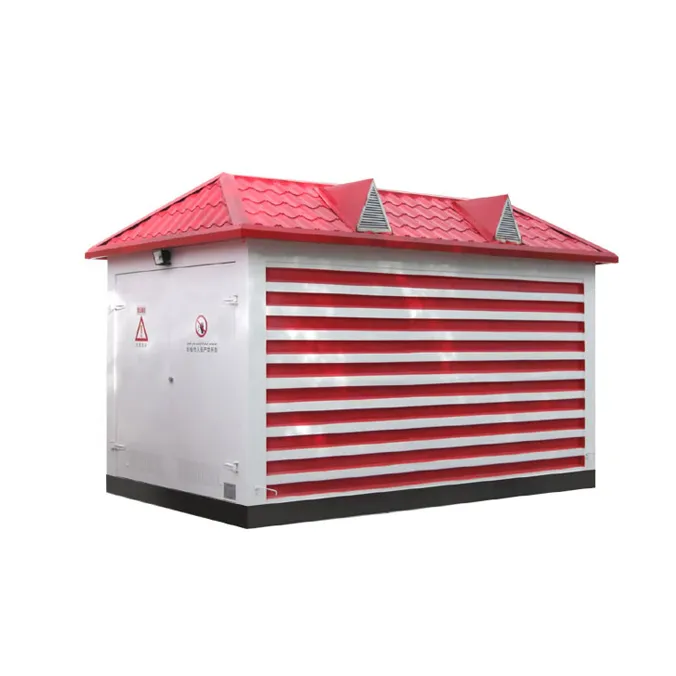
As a supplier of box type substations, I understand the critical importance of quality control during the manufacturing process. A box type substation, also known as a prefabricated substation, is a compact and self - contained electrical distribution unit that combines high - voltage switchgear, transformers, and low - voltage distribution equipment in a single enclosure. Ensuring its quality is not only about meeting industry standards but also about providing reliable power solutions to our customers. In this blog, I will share the key quality control points during the manufacturing of a box type substation.
Design and Engineering Phase
- Compliance with Standards: The first quality control point starts right at the design stage. We need to ensure that the design of the box type substation complies with relevant international and national standards, such as IEC (International Electrotechnical Commission) standards and local electrical codes. For example, IEC 62271 - 200 for high - voltage switchgear and controlgear, and IEC 60076 for power transformers. These standards define the electrical performance, safety requirements, and environmental conditions that the substation must meet.
- Customization and Customer Requirements: Understanding and incorporating the specific requirements of our customers is also crucial. Some customers may need a 10KVA Box Type Substation for a small - scale project, while others may require a larger capacity for an industrial complex. We work closely with our customers to design a substation that not only meets their power needs but also fits into their existing electrical infrastructure.
- Thermal and Electrical Simulations: Before moving to the manufacturing stage, we conduct thermal and electrical simulations. Thermal simulations help us to ensure that the substation components do not overheat during operation, which can lead to premature failure. Electrical simulations, on the other hand, are used to verify the electrical performance, such as voltage regulation, short - circuit withstand capacity, and protection coordination.
Material Selection
- Enclosure Materials: The enclosure of a box type substation provides protection for the internal components against environmental factors such as dust, moisture, and mechanical damage. We typically use high - quality steel or aluminum alloys for the enclosure. Steel enclosures offer high strength and durability, while aluminum enclosures are lightweight and corrosion - resistant. The material must be tested for its mechanical properties, such as tensile strength and hardness, and its corrosion resistance through salt - spray tests.
- Electrical Components: High - quality electrical components are the heart of a box type substation. For transformers, we select high - grade silicon steel laminations and copper or aluminum windings. The insulation materials used in transformers must have excellent dielectric properties to prevent electrical breakdown. Switchgear components, such as circuit breakers and disconnectors, should be sourced from reputable manufacturers and tested for their electrical and mechanical performance, including contact resistance, breaking capacity, and operating time.
Manufacturing Process Control
- Welding and Assembly: In the manufacturing of the enclosure, welding is a critical process. The welds must be strong and free from defects such as porosity, cracks, and lack of fusion. We use advanced welding techniques and quality control measures, such as non - destructive testing (NDT) methods like ultrasonic testing and X - ray testing, to ensure the integrity of the welds. During the assembly process, all components must be installed correctly and securely. Proper alignment and connection of electrical components are essential to ensure the normal operation of the substation.
- Painting and Coating: After the enclosure is fabricated, it undergoes a painting or coating process. The paint or coating not only enhances the appearance of the substation but also provides additional protection against corrosion. We use high - quality paints with good adhesion and weather resistance. The thickness of the paint film is strictly controlled to ensure its effectiveness.
- Cable Installation: Cable installation is another important aspect of the manufacturing process. The cables must be properly sized, routed, and terminated. We follow strict cable management practices to prevent cable overheating, short - circuits, and electromagnetic interference. The cable insulation must be checked for any damage during installation, and the cable terminations must be crimped or soldered correctly to ensure low contact resistance.
Testing and Inspection
- Factory Acceptance Testing (FAT): Once the box type substation is assembled, it undergoes a comprehensive Factory Acceptance Testing (FAT). This includes electrical performance testing, such as measuring the output voltage, current, and power factor of the transformer, and testing the functionality of the switchgear and protection devices. We also conduct insulation resistance testing, dielectric strength testing, and short - circuit testing to ensure the safety and reliability of the substation.
- Visual Inspection: A thorough visual inspection is carried out to check for any physical defects, such as scratches, dents, or misaligned components. The labeling of components and wiring must be clear and accurate to facilitate operation and maintenance.
- Functionality Testing: All control and protection functions of the substation are tested to ensure that they work as designed. This includes testing the automatic transfer switches, over - current protection, over - voltage protection, and under - voltage protection.
Quality Assurance System
- Documentation and Traceability: We maintain detailed documentation throughout the manufacturing process, including design drawings, material certificates, test reports, and inspection records. This documentation provides traceability for every component and process step, which is essential for quality control and after - sales service.
- Continuous Improvement: We regularly review our quality control processes and seek feedback from our customers. Based on this feedback and our own internal audits, we make improvements to our manufacturing processes and quality control measures. This continuous improvement approach helps us to enhance the quality of our box type substations and meet the evolving needs of our customers.
Installation and Commissioning Support
- On - site Installation Supervision: Even after the substation leaves our factory, our quality control efforts continue. We provide on - site installation supervision to ensure that the substation is installed correctly according to the design requirements. This includes proper grounding, cable connection, and alignment of the substation.
- Commissioning and Testing: After installation, we conduct on - site commissioning and testing to verify that the substation operates normally in its actual operating environment. Any issues detected during commissioning are promptly addressed to ensure the reliable operation of the substation.
In conclusion, quality control during the manufacturing of a box type substation is a comprehensive process that covers every stage from design to installation. By adhering to strict quality control points, we can ensure that our Box Type Substation products are of high quality, reliable, and safe. If you are in need of a box type substation or a Switching Station for your project, we are here to provide you with the best solutions. Feel free to contact us for more information and to start a procurement negotiation.

References
- International Electrotechnical Commission (IEC). IEC 62271 - 200: High - voltage switchgear and controlgear.
- International Electrotechnical Commission (IEC). IEC 60076: Power transformers.


