

What is the monitoring system of a Solar DC Charging Station?
Leave a message

As a supplier of Solar DC Charging Stations, I am often asked about the monitoring system of these innovative charging solutions. In this blog post, I will delve into the details of what a monitoring system for a Solar DC Charging Station entails, its importance, and how it benefits both operators and users.
Understanding the Basics of a Solar DC Charging Station
Before we dive into the monitoring system, let's briefly understand what a Solar DC Charging Station is. A Solar DC Charging Station is a cutting - edge technology that directly converts solar energy into direct current (DC) to charge electric vehicles (EVs). It offers several advantages over traditional AC charging stations, such as higher efficiency, faster charging times, and reduced energy losses.
There are different types of products in this category, such as the Solar Energy Storage Charging Station and the Solar Direct Charging Pile. These products are designed to make the most of solar power, providing a sustainable and cost - effective way to charge EVs.
The Role of a Monitoring System
A monitoring system for a Solar DC Charging Station is a crucial component that ensures the smooth and efficient operation of the station. It is responsible for collecting, analyzing, and presenting data related to various aspects of the charging station, including solar panel performance, battery storage levels, charging status of EVs, and overall system health.
1. Solar Panel Performance Monitoring
The solar panels are the heart of a Solar DC Charging Station. The monitoring system keeps a close eye on their performance by measuring parameters such as solar irradiance, panel temperature, and power output. By continuously monitoring these factors, operators can detect any issues with the solar panels, such as shading, dirt accumulation, or component failures.
For example, if the power output of a particular solar panel drops significantly while the solar irradiance is high, it could indicate a problem with the panel itself. The monitoring system can then alert the operators, allowing them to take corrective action promptly. This not only ensures the maximum utilization of solar energy but also extends the lifespan of the solar panels.
2. Battery Storage Monitoring
Many Solar DC Charging Stations are equipped with battery storage systems to store excess solar energy for later use. The monitoring system plays a vital role in managing these batteries. It monitors the state of charge (SOC), state of health (SOH), and temperature of the batteries.
By accurately measuring the SOC, the monitoring system can determine when to charge or discharge the batteries. This helps in optimizing the use of stored energy and preventing over - charging or over - discharging, which can damage the batteries. Additionally, monitoring the SOH allows operators to predict the remaining useful life of the batteries and plan for their replacement in a timely manner.
3. EV Charging Status Monitoring
The monitoring system also tracks the charging status of EVs connected to the Solar DC Charging Station. It provides real - time information on the charging rate, the amount of energy transferred, and the estimated time remaining for a full charge. This information is not only useful for the EV owners but also for the station operators.
For EV owners, they can easily monitor the progress of their charging session through a mobile app or a display at the charging station. For operators, they can manage the charging load more effectively, ensuring that all EVs are charged in an orderly manner and that the station's capacity is not exceeded.
4. System Health Monitoring
In addition to the above - mentioned aspects, the monitoring system continuously checks the overall health of the Solar DC Charging Station. It monitors the performance of the power electronics, such as inverters and converters, and checks for any electrical faults or abnormal operating conditions.
By detecting potential problems early, the monitoring system can prevent major breakdowns and reduce maintenance costs. It can also provide historical data on system performance, which can be used for performance analysis and future system upgrades.
Data Visualization and Reporting
The data collected by the monitoring system is presented in a user - friendly way through data visualization tools. These tools can generate graphs, charts, and dashboards that provide a clear overview of the charging station's performance.
For example, a dashboard might show the daily solar energy production, the number of EVs charged, and the energy consumption of the station. This visual representation makes it easy for operators to quickly understand the key performance indicators (KPIs) of the station.
In addition to real - time data visualization, the monitoring system also generates regular reports. These reports can include detailed analysis of the station's performance over a specific period, such as a day, a week, or a month. The reports can be used for internal decision - making, such as resource allocation and system optimization, as well as for sharing with stakeholders, such as investors and regulatory authorities.
Remote Monitoring and Control
One of the significant advantages of modern monitoring systems is their ability to enable remote monitoring and control. Operators can access the monitoring system from anywhere using a computer or a mobile device. This allows them to manage the Solar DC Charging Station without being physically present at the site.
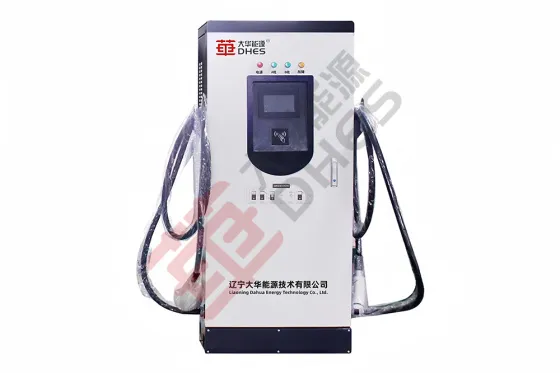
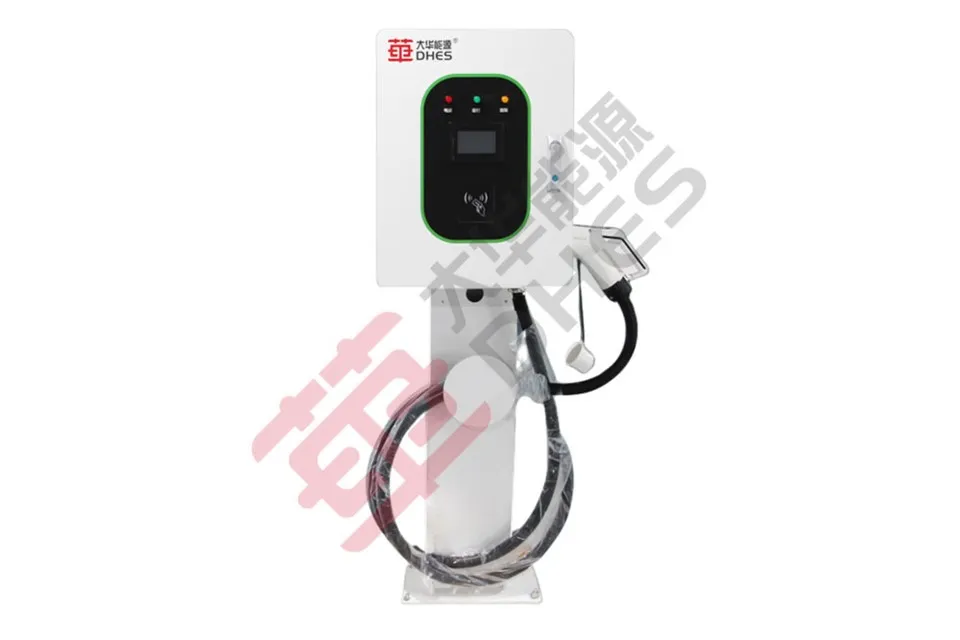
Remote monitoring enables operators to respond quickly to any issues or emergencies. For example, if there is a sudden drop in the power output of the solar panels, the operator can remotely check the system status, diagnose the problem, and even perform some basic troubleshooting steps. Remote control also allows operators to adjust the charging parameters, such as the charging rate, to optimize the use of solar energy.
Benefits of a Monitoring System for Different Stakeholders
For Operators
- Improved Efficiency: By monitoring the performance of the solar panels, batteries, and EV charging, operators can optimize the operation of the Solar DC Charging Station, leading to higher energy efficiency and lower operating costs.
- Reduced Maintenance Costs: Early detection of problems through continuous monitoring helps in preventing major breakdowns, reducing the need for costly repairs and maintenance.
- Enhanced Customer Service: Real - time information on EV charging status allows operators to provide better service to EV owners, improving customer satisfaction.
For EV Owners
- Convenience: The ability to monitor the charging progress of their EVs through a mobile app or a display at the charging station provides convenience and peace of mind.
- Cost Savings: Solar DC Charging Stations often offer more cost - effective charging options compared to traditional charging stations, and the monitoring system helps in ensuring the efficient use of solar energy, which can translate into lower charging costs for EV owners.
For the Environment
- Sustainable Energy Use: By maximizing the utilization of solar energy, Solar DC Charging Stations with effective monitoring systems contribute to the reduction of greenhouse gas emissions and the promotion of sustainable transportation.
Conclusion
In conclusion, the monitoring system of a Solar DC Charging Station is an essential part of its operation. It provides valuable insights into the performance of the solar panels, battery storage, EV charging, and overall system health. Through data visualization, reporting, and remote monitoring and control, it enables operators to optimize the use of solar energy, reduce maintenance costs, and provide better service to EV owners.
If you are interested in our Solar DC Charging Station and its advanced monitoring system, we invite you to contact us for a detailed discussion on your requirements. We are committed to providing high - quality, sustainable charging solutions that meet your needs.
References
- International Electrotechnical Commission (IEC). Standards for EV charging stations and related monitoring systems.
- Solar Energy Industries Association (SEIA). Best practices for solar energy monitoring and management.
- Electric Vehicle Association (EVA). Guidelines for effective EV charging station operation and monitoring.


