

Where are switching stations usually located?
Leave a message

Switching stations play a pivotal role in the electrical power system, acting as crucial nodes that control, protect, and direct the flow of electricity. As a supplier of switching stations, I often encounter inquiries about their typical locations. In this blog, I'll delve into the factors influencing the placement of switching stations and explore the common settings where they are usually found.
Factors Influencing the Location of Switching Stations
Proximity to Power Sources
One of the primary considerations when siting a switching station is its proximity to power sources. Whether it's a large - scale power plant, a renewable energy farm such as a wind or solar farm, or a hydroelectric facility, being close to the source of electricity reduces transmission losses. When electricity travels over long distances through transmission lines, a certain amount of energy is dissipated as heat due to the resistance of the conductors. By placing the switching station near the power source, we can minimize these losses and ensure a more efficient transfer of power. For instance, in a large coal - fired power plant complex, a switching station is often located within the plant premises or in the immediate vicinity. This allows for a seamless connection between the generators and the transmission network, enabling quick and efficient distribution of the generated electricity.
Load Centers
Switching stations are also strategically placed near load centers, which are areas with high electricity demand. Urban areas, industrial parks, and commercial districts are typical load centers. By locating switching stations close to these areas, we can better meet the power requirements of consumers. In an industrial park, for example, there are numerous factories and manufacturing units that consume a large amount of electricity. A switching station in the vicinity can distribute power directly to these industrial facilities, reducing the need for long - distance transmission and improving the reliability of the power supply. It also allows for easier voltage regulation, as the switching station can adjust the voltage levels according to the specific needs of the local loads.
Grid Connectivity
Another important factor is grid connectivity. Switching stations need to be connected to the existing electrical grid in a way that ensures reliable and efficient power flow. They are often located at the intersection of major transmission lines or near substations. This allows for the integration of different power sources and the transfer of electricity between different parts of the grid. For example, a switching station may be placed at a point where a high - voltage transmission line from a power plant intersects with a regional distribution network. This enables the power to be distributed to multiple areas, enhancing the overall flexibility and resilience of the grid.
Environmental and Safety Considerations
Environmental and safety factors also play a significant role in determining the location of switching stations. They should be located in areas with low environmental impact and away from sensitive areas such as wildlife habitats, water sources, and residential areas. However, in some cases, due to the need for grid connectivity and proximity to load centers, careful planning and mitigation measures are required. For example, sound - proof enclosures can be used to reduce the noise generated by the switching equipment, and proper grounding and insulation can be implemented to prevent electrical hazards. Additionally, switching stations need to be designed to withstand natural disasters such as earthquakes, floods, and storms. They are often built on elevated ground or with flood - protection measures in flood - prone areas.
Common Locations of Switching Stations
Urban Areas
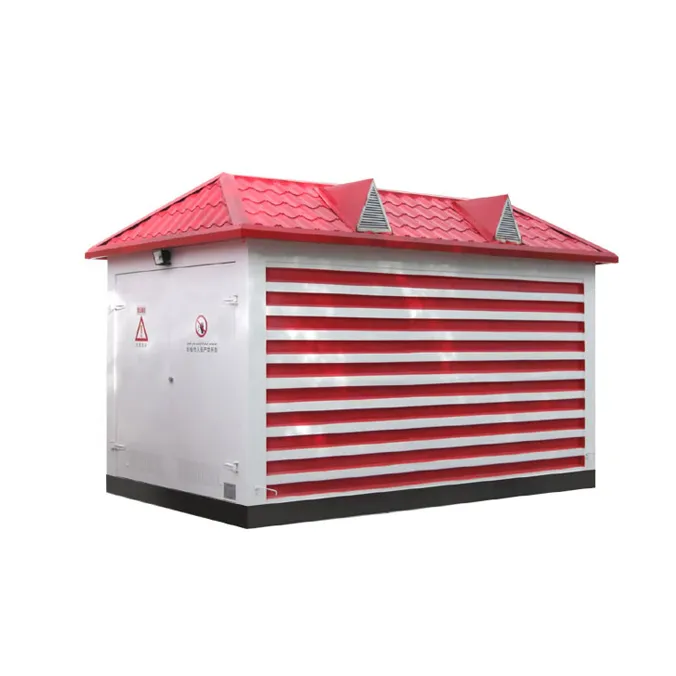
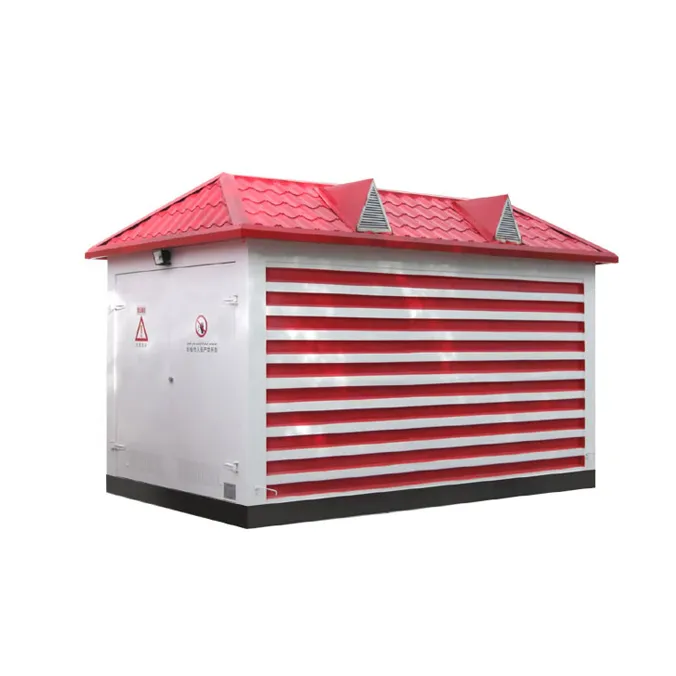
In urban settings, switching stations are often located in industrial zones or on the outskirts of the city. In large cities, space is at a premium, so these stations are designed to be compact and may be housed in specialized buildings. They are connected to the high - voltage transmission network and distribute power to the local distribution network, which supplies electricity to residential, commercial, and industrial consumers. For example, in a bustling metropolis like New York City, switching stations are strategically placed to ensure a reliable power supply to the millions of residents and businesses. These stations are often integrated with other infrastructure to make the most of the limited space available.
Industrial Areas
Industrial areas are another common location for switching stations. As mentioned earlier, industries have high electricity demands, and a nearby switching station can ensure a stable and reliable power supply. These stations are designed to handle large amounts of power and may be equipped with specialized equipment to meet the specific needs of industrial processes. For example, in a steel manufacturing plant, a switching station can provide the high - voltage power required for the melting and refining processes. It can also protect the plant's electrical equipment from power surges and outages.
Rural and Remote Areas
In rural and remote areas, switching stations are usually located near power generation sources such as small - scale hydroelectric plants or wind farms. They play a crucial role in connecting these distributed power sources to the main grid. In some cases, they may also serve as intermediate points for power transmission over long distances. For example, in a rural area with a wind farm, a switching station can collect the electricity generated by the wind turbines and step up the voltage for transmission to the nearest substation. This helps to integrate renewable energy into the grid and provide power to rural communities.
Renewable Energy Farms
With the increasing adoption of renewable energy sources, switching stations are becoming more common in renewable energy farms. In a solar farm, for instance, a switching station is used to collect the DC power generated by the solar panels, convert it to AC power, and then step up the voltage for transmission to the grid. Similarly, in a wind farm, the switching station connects the wind turbines and manages the power flow. These stations are designed to be compatible with the unique characteristics of renewable energy generation, such as the variable nature of solar and wind power.
Our Switching Station Solutions
As a switching station supplier, we offer a wide range of products and solutions to meet the diverse needs of different locations. Our Switching Station is designed with the latest technology and high - quality components to ensure reliable and efficient operation. We also provide Box Type Substation options, which are compact and suitable for urban and industrial areas with limited space. For smaller - scale applications, our 10KVA Box Type Substation is an ideal choice.
We understand the importance of proper location and installation of switching stations. Our team of experts can provide professional advice on the best location for your switching station based on your specific requirements, taking into account factors such as power sources, load centers, grid connectivity, and environmental considerations. We also offer installation, maintenance, and repair services to ensure the long - term performance of your switching station.
If you are in the market for a switching station or have any questions about their location and application, please feel free to contact us. We are committed to providing you with the best solutions and services to meet your power distribution needs.
References
- "Electric Power Systems: A Conceptual Introduction" by Ali Keyhani
- "Power System Analysis and Design" by J. Duncan Glover, Mulukutla S. Sarma, and Thomas J. Overbye
- Industry reports on electrical power system infrastructure and planning.


